Savory Japanese Omelet (Tamago-Yaki)
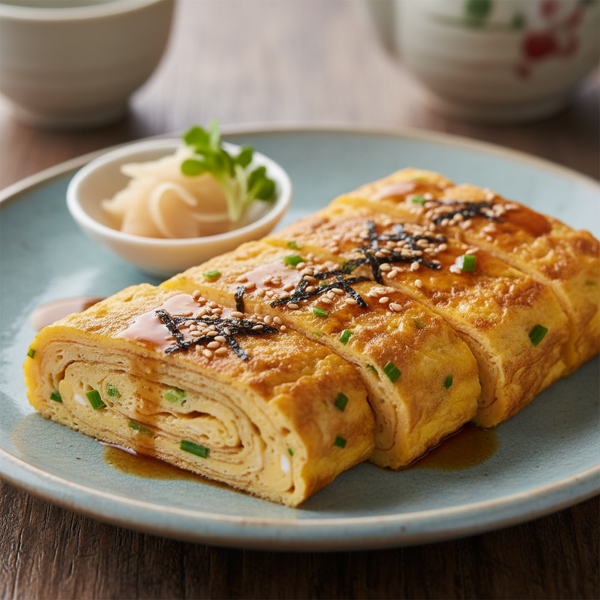
Tamago-Yaki, a traditional Japanese omelet, epitomizes the delicate balance of flavors and textures inherent in Japanese cuisine. Often enjoyed as a spectacular breakfast item or featured in bento boxes, this dish showcases a blend of fluffy eggs heightened by the umami of dashi and the savory depth of soy sauce. While it is typically crafted using a rectangular omelet pan, this recipe adapts to a round pan without compromising flavor, allowing you to enjoy the authentic taste of Japan in the comfort of your own home. Master the art of this exquisite omelet to elevate your breakfast or bento experience!
N/A
Servings
N/A
Calories
5
Ingredients
Ingredients
eggs
3 (beaten)
sugar
1 teaspoon (none)
dashi stock
2 tablespoons (optional, use as powdered or liquid)
soy sauce
2 teaspoons (none)
vegetable oil
1 teaspoon (for cooking)
Instructions
1
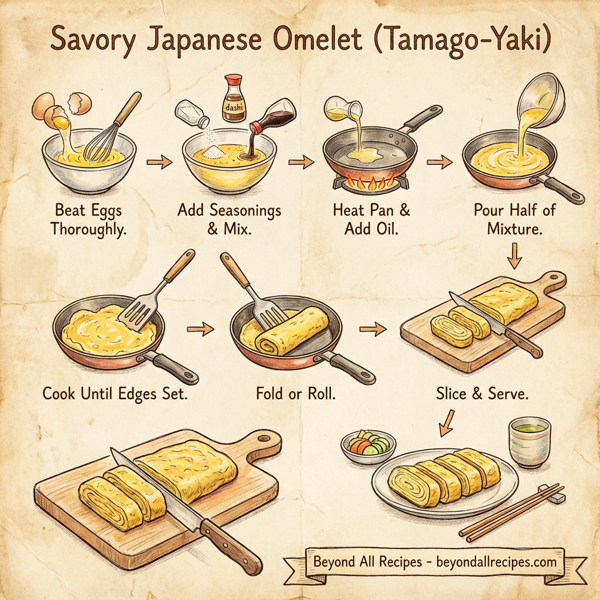
In a mixing bowl, thoroughly beat the eggs until the yolks and whites are fully combined.
2
Add the sugar, dashi (if using), and soy sauce to the eggs, mixing until well blended for a harmonious flavor profile.
3
Heat a non-stick round pan over medium-low heat, adding enough vegetable oil to coat the bottom evenly.
4
Once the oil is hot, pour in half of the egg mixture. Swirl the pan gently to distribute the eggs evenly.
5
As the edges begin to set, use a spatula to lift them, letting the uncooked egg flow underneath. Continue cooking until the top is just slightly runny.
6
Carefully fold the omelet in half, or roll it towards one edge of the pan. Allow it to cook for another minute until set.
7
Remove the omelet from the pan and let it rest for a moment before slicing it into thick pieces. Repeat the process with the remaining egg mixture, if any.
8
Serve the Tamago-Yaki warm, either as is or with a side of pickled vegetables.
Nutrition Information
Frequently Asked Questions
Frequently Asked Questions
What is Tamago-Yaki?
Tamago-Yaki is a traditional Japanese omelet known for its delicate balance of flavors and textures, often enjoyed at breakfast or in bento boxes.
What flavor profile does this savory Japanese omelet have?
It features a blend of fluffy eggs enhanced by the umami of dashi and the savory depth of soy sauce.
Do I need a special pan to make this recipe?
While typically made in a rectangular pan, this recipe is adapted for a standard round pan without losing flavor.
How many eggs are required for this recipe?
You will need 3 beaten eggs for this version of Tamago-Yaki.
What seasonings are used in the egg mixture?
The eggs are seasoned with one teaspoon of sugar, two tablespoons of dashi stock, and two teaspoons of soy sauce.
Is dashi stock mandatory for this omelet?
Dashi stock is optional, but it is recommended for adding umami; you can use it in either powdered or liquid form.
What type of oil should I use for cooking?
One teaspoon of vegetable oil is recommended to coat the bottom of the pan evenly.
How should the eggs be beaten?
The eggs should be thoroughly beaten until the yolks and whites are fully combined.
At what heat setting should I cook the Tamago-Yaki?
The omelet should be cooked over medium-low heat in a non-stick pan.
How much of the egg mixture should I pour into the pan first?
You should pour in half of the egg mixture to start the first layer.
Why should I swirl the pan after pouring the eggs?
Swirling the pan helps distribute the egg mixture evenly across the bottom.
What should I do as the edges of the omelet begin to set?
Use a spatula to lift the edges, allowing the uncooked egg to flow underneath for even cooking.
When is the right time to fold or roll the omelet?
You should fold or roll the omelet when the top is still just slightly runny.
What are the folding options for this recipe?
You can carefully fold the omelet in half or roll it towards one edge of the pan.
How long does the omelet cook after being folded?
Allow it to cook for another minute until it is completely set.
Should I slice the omelet immediately after cooking?
No, you should let it rest for a moment before slicing it into thick pieces.
How is Tamago-Yaki typically served?
It is served warm, either on its own or with a side of pickled vegetables.
Can I make multiple batches?
Yes, you should repeat the process with any remaining egg mixture to create more layers or omelets.
What makes this omelet suitable for bento boxes?
Its compact, rolled shape and balance of savory and sweet flavors make it a perfect fit for portable lunch boxes.
What type of dashi can be used?
The recipe allows for either liquid or powdered dashi stock.
Is this recipe considered authentic?
Yes, it is designed to provide an authentic taste of Japan using ingredients like dashi and soy sauce.
What is the preparation for the soy sauce?
There is no special preparation needed; simply add the soy sauce to the beaten eggs.
How much sugar is included?
The recipe calls for 1 teaspoon of sugar to balance the savory elements.
What is the role of the spatula in this recipe?
The spatula is used to lift the edges of the egg and to fold or roll the omelet.
Can I use a non-stick pan?
Yes, using a non-stick pan is recommended to ensure the eggs do not stick.
What provides the umami flavor in this dish?
The dashi stock is the primary source of umami in this recipe.
How many ingredients are in this recipe?
There are 5 main ingredients: eggs, sugar, dashi stock, soy sauce, and vegetable oil.
Is this omelet fluffy?
Yes, the recipe specifically aims to create a fluffy texture through the beating of eggs and controlled heat.
How should the omelet be sliced?
It should be sliced into thick pieces after it has had a moment to rest.
What is the primary benefit of this specific recipe version?
It allows home cooks to achieve authentic results using a standard round pan instead of a specialized rectangular one.