Protein-Packed Cabbage & Lemon Pasta
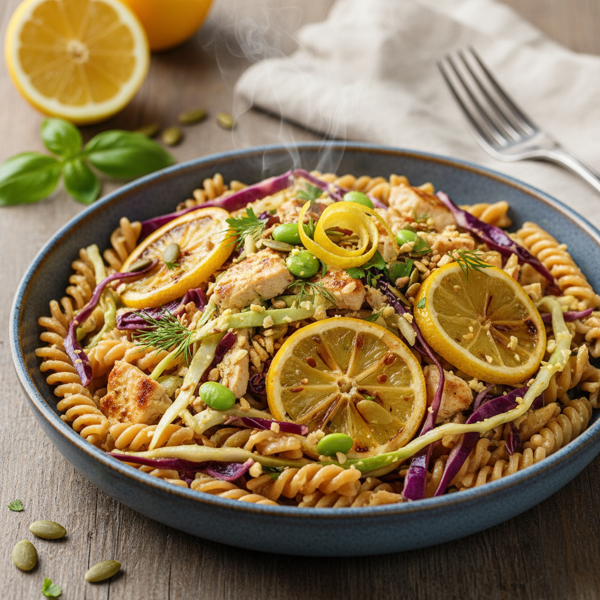
Savor this rejuvenated version of a cherished Eastern European classic, brilliantly adapted for modern healthy eating. With the addition of cottage cheese, this dish offers an extra boost of protein while maintaining a comforting and hearty profile. Fresh cabbage is sautéed to tender perfection, complemented by the tangy zest of lemon and a touch of balsamic vinegar, making it an ideal warm meal for winter nights.
4
Servings
N/A
Calories
10
Ingredients
Ingredients
spaghetti or linguine
1 lb (cooked al dente)
savoy cabbage
1/2 small head (outer leaves removed and shredded, about 3 cups)
olive oil
1/4 cup (plus extra if needed)
margarine
2 tablespoons (unsalted preferred)
lemon
1 (zested and juiced)
balsamic vinegar
1 tablespoon (to taste)
low fat cottage cheese
1 cup (at room temperature)
parmesan cheese
1/4 cup (grated)
sugar
1-2 teaspoons (adjust as required)
salt
1/2 teaspoon (plus more to taste)
Instructions
1
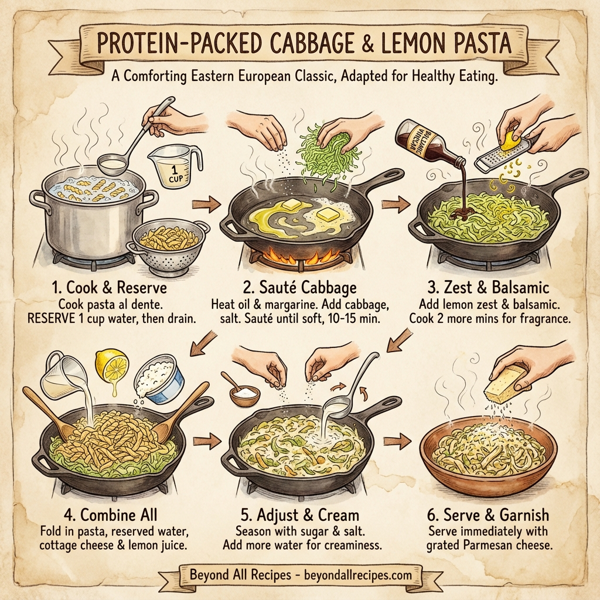
Cook the pasta just until al dente, as per the package instructions, minus one minute. Set aside one cup of cooking water before draining the pasta.
2
In a large heavy skillet, warm the olive oil over medium heat and add the margarine. Once the margarine begins to foam, introduce the shredded cabbage. Sprinkle with salt and sauté gently until softened but not browned, about 10-15 minutes.
3
Incorporate the lemon zest and balsamic vinegar into the cabbage mixture. Cook for an additional 2 minutes until the zest releases its fragrance.
4
Reduce the heat to low. Gradually fold in the cooked pasta, adding reserved pasta water as needed for moisture. Stir in the cottage cheese and lemon juice until evenly distributed.
5
Adjust the flavor with sugar and additional salt to suit your taste. If a creamier texture is desired, add more reserved pasta water.
6
Serve immediately, garnished with grated Parmesan cheese for an extra layer of savory richness.
Nutrition Information
Frequently Asked Questions
Frequently Asked Questions
What is Protein-Packed Cabbage & Lemon Pasta?
It is a modern, healthy version of a classic Eastern European dish that combines sautéed cabbage, lemon zest, and cottage cheese for a protein boost.
How many servings does this recipe yield?
This recipe is designed to serve 4 people.
What type of pasta should I use for this recipe?
The recipe recommends using 1 pound of spaghetti or linguine.
Is this cabbage pasta recipe vegetarian?
Yes, this dish is vegetarian as it uses plant-based ingredients and dairy products without any meat.
What makes this pasta dish protein-packed?
The addition of one cup of low-fat cottage cheese provides a significant protein boost compared to traditional pasta recipes.
How should I cook the pasta for this dish?
Cook the pasta al dente according to the package instructions, but stop one minute early to ensure the best texture.
Why should I save the pasta cooking water?
The reserved cooking water is used to add moisture and help create a creamier consistency when mixing the pasta with the other ingredients.
What kind of cabbage is best for this recipe?
Savoy cabbage is recommended; you should use half a small head, shredded into about 3 cups.
How long does it take to sauté the cabbage?
The cabbage should be sautéed gently over medium heat for about 10-15 minutes until it is softened but not browned.
Can I use butter instead of margarine?
Yes, you can substitute margarine with butter, preferably unsalted, to maintain the flavor profile.
When do I add the lemon zest?
Add the lemon zest along with the balsamic vinegar after the cabbage has softened, then cook for an additional 2 minutes.
How much balsamic vinegar is needed?
The recipe calls for 1 tablespoon of balsamic vinegar, which can be adjusted to your personal taste.
What temperature should the cottage cheese be?
The cottage cheese should be at room temperature before folding it into the pasta.
How do I incorporate the cottage cheese without it curdling?
Reduce the heat to low before folding in the cottage cheese and pasta to ensure a smooth distribution.
What is the purpose of adding sugar to the recipe?
A small amount of sugar (1-2 teaspoons) is used to balance the acidity of the lemon and balsamic vinegar.
What should I use for garnishing the pasta?
Garnish the finished dish with 1/4 cup of grated Parmesan cheese for extra savory richness.
Is this dish considered a healthy meal?
Yes, it is tagged as healthy and protein-rich, utilizing fresh vegetables and low-fat dairy.
Can I make this recipe gluten-free?
Yes, simply replace the spaghetti or linguine with your preferred gluten-free pasta alternative.
What category of meal does this fall into?
This recipe is categorized as a One Dish Meal.
Is this a good meal for winter?
Yes, it is described as a winter comfort meal that is warm and hearty.
Can I use regular green cabbage instead of Savoy cabbage?
Yes, regular green cabbage can be used as a substitute, though the texture may be slightly different.
How much olive oil is required?
You will need 1/4 cup of olive oil, plus a little extra if needed for sautéing.
How do I adjust the flavor if it's too tart?
You can adjust the flavor by adding a bit more sugar or salt to balance the lemon and vinegar.
When should I add the lemon juice?
Stir in the lemon juice at the same time you add the cottage cheese and cooked pasta.
Can I use whole wheat pasta?
Yes, whole wheat pasta would work well in this recipe and add even more fiber.
How do I prevent the cabbage from browning?
Keep the heat at medium and stir frequently to ensure the cabbage softens gently without caramelizing.
What if I don't have balsamic vinegar?
You can substitute with a mild vinegar like apple cider vinegar, though it will slightly change the flavor profile.
Is this recipe quick to make?
Yes, it is tagged as a quick dinner and uses simple ingredients.
Can I add more vegetables?
While the recipe focuses on cabbage, you could add peas or sautéed mushrooms for extra variety.
How much salt is recommended?
The recipe suggests starting with 1/2 teaspoon of salt and adjusting further to suit your taste preference.