Perfect Flaky Crisco Pie Crust
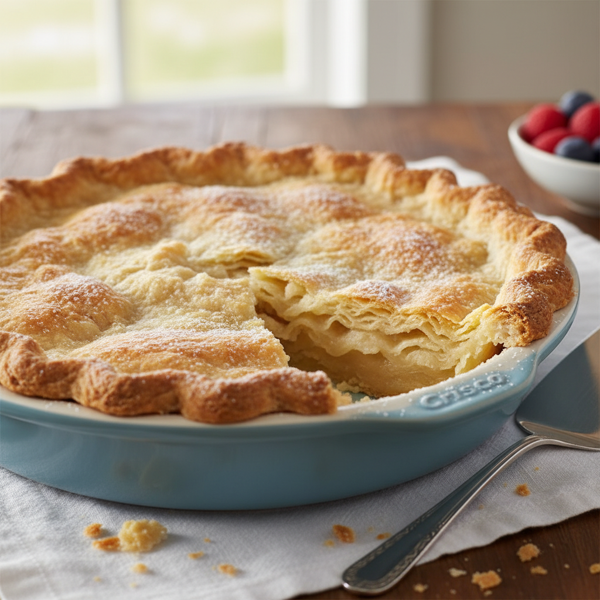
Discover the secret to a perfectly flaky pie crust with this Classic Crisco Single Crust recipe. Made with just a few simple ingredients, this crust provides a deliciously tender and buttery foundation for all your favorite pies. Whether you're filling it with sweet fruit or a savory mixture, this crust delivers both flavor and texture that enhance any pie. Easy to make and versatile for various fillings, this recipe is a must-have in every pie lover's repertoire. Share it with family and friends, and enjoy the delight of homemade pie.
N/A
Servings
N/A
Calories
4
Ingredients
Ingredients
all-purpose flour
1 1/3 cups (sifted)
salt
1/2 teaspoon
Crisco shortening
1/2 cup
cold water
3 tablespoons
Instructions
1
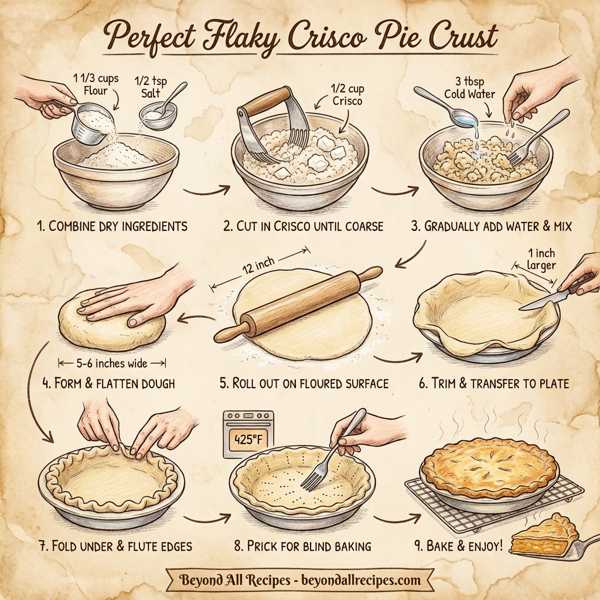
Begin by measuring 1 1/3 cups of sifted all-purpose flour into a mixing bowl. Ensure you spoon in the flour and level it off for accuracy.
2
Add 1/2 teaspoon of salt to the flour, mixing well to combine.
3
Using a pastry blender or two knives, cut in 1/2 cup of Crisco shortening into the flour mixture. Continue until the mixture resembles coarse crumbs with pea-sized chunks.
4
Gradually sprinkle in 3 tablespoons of cold water, adding it one tablespoon at a time. Toss the mixture lightly with a fork after each addition until the dough starts to come together.
5
Form the dough into a ball and gently flatten it into a disc, about 5 to 6 inches wide.
6
On a lightly floured surface, roll the dough into a circle approximately 12 inches in diameter, keeping it even in thickness.
7
Trim the edges of the dough, making it 1 inch larger than the circumference of an upside-down pie plate. Set aside any trimmed dough for decorative cutouts, if desired.
8
Carefully fold the rolled dough into quarters, then unfold it into the pie plate, pressing it firmly against the bottom and sides.
9
Fold the edge of the crust under itself, creating a thicker border, and flute the edges for a decorative finish.
10
If you are preparing to bake the crust, preheat the oven to 425°F. Prick the bottom and sides of the crust thoroughly with a fork, about 50 times, to prevent shrinkage during baking.
11
Bake in the preheated oven for 10 to 15 minutes, or until the crust is lightly browned.
12
If using the crust unbaked, follow the specific instructions provided in your pie recipe.
Nutrition Information
Frequently Asked Questions
Frequently Asked Questions
What is the secret to this flaky pie crust?
The secret lies in using Crisco shortening and cutting it into the flour until it resembles coarse crumbs with pea-sized chunks, which creates layers of flakiness.
How much flour do I need for this recipe?
You will need 1 1/3 cups of sifted all-purpose flour.
Should the flour be sifted before measuring?
Yes, the recipe specifies using sifted all-purpose flour for the best results.
What is the best way to measure the flour?
You should spoon the flour into the measuring cup and level it off for accuracy.
How much salt is used in this pie crust?
The recipe calls for 1/2 teaspoon of salt.
What type of shortening is recommended?
This recipe specifically uses 1/2 cup of Crisco shortening.
How much water is needed for the dough?
You will need approximately 3 tablespoons of cold water.
Does the water need to be cold?
Yes, using cold water is essential to keep the shortening from melting and ensure a flaky texture.
How should I add the water to the flour mixture?
Sprinkle the water in gradually, one tablespoon at a time, tossing with a fork after each addition.
What tool should I use to cut in the shortening?
You can use a pastry blender or two knives to cut the shortening into the flour.
What should the mixture look like after adding shortening?
It should resemble coarse crumbs with pea-sized chunks of shortening remaining.
How should I form the dough after mixing?
Form the dough into a ball and gently flatten it into a disc about 5 to 6 inches wide.
How large should I roll out the dough circle?
Roll the dough into a circle approximately 12 inches in diameter.
How do I ensure the dough is the right size for my pie plate?
Trim the edges so that the dough is 1 inch larger than the circumference of an upside-down pie plate.
What can I do with the extra dough trimmings?
You can set aside trimmed dough to create decorative cutouts for the top of your pie.
How do I transfer the rolled dough to the pie plate?
Carefully fold the rolled dough into quarters, place it in the plate, and then unfold it.
How do I finish the edges of the crust?
Fold the edge of the crust under itself to create a thicker border and then flute the edges.
What temperature should the oven be for baking the crust?
Preheat your oven to 425°F for baking the crust.
How do I prevent the crust from shrinking while it bakes?
Prick the bottom and sides of the crust thoroughly with a fork, about 50 times, before baking.
How long does it take to bake the pie crust?
The crust should bake for 10 to 15 minutes, or until it is lightly browned.
Can this crust be used for savory pies?
Yes, this versatile crust is suitable for both sweet fruit fillings and savory mixtures.
Is this a single or double crust recipe?
This recipe is for a Classic Crisco Single Crust.
Does this recipe contain butter?
No, this specific recipe uses Crisco shortening instead of butter for its distinct texture.
Can I use this crust without baking it first?
Yes, if your specific pie recipe calls for an unbaked crust, you can follow those instructions instead of pre-baking.
What flavor profile does this crust have?
It provides a tender and buttery-tasting foundation that enhances the flavor of any filling.
What is the category of this recipe?
This recipe falls under pie crusts and accompaniments for desserts.
How many ingredients are needed in total?
There are only 4 simple ingredients: flour, salt, Crisco, and water.
Is this recipe considered easy?
Yes, it is tagged as an easy, simple, and classic homemade recipe.
Why is the crust pricked with a fork?
Pricking the crust allows steam to escape, which prevents the dough from bubbling up or shrinking.
What is the final texture of the crust?
The final texture is perfectly flaky and tender.